


John Locke and the Climate Crisis
The power of “enough and as good” in the age of climate change
Essays
The power of “enough and as good” in the age of climate change

Classical liberalism has sometimes been suspicious of democracy. But it shouldn’t be.
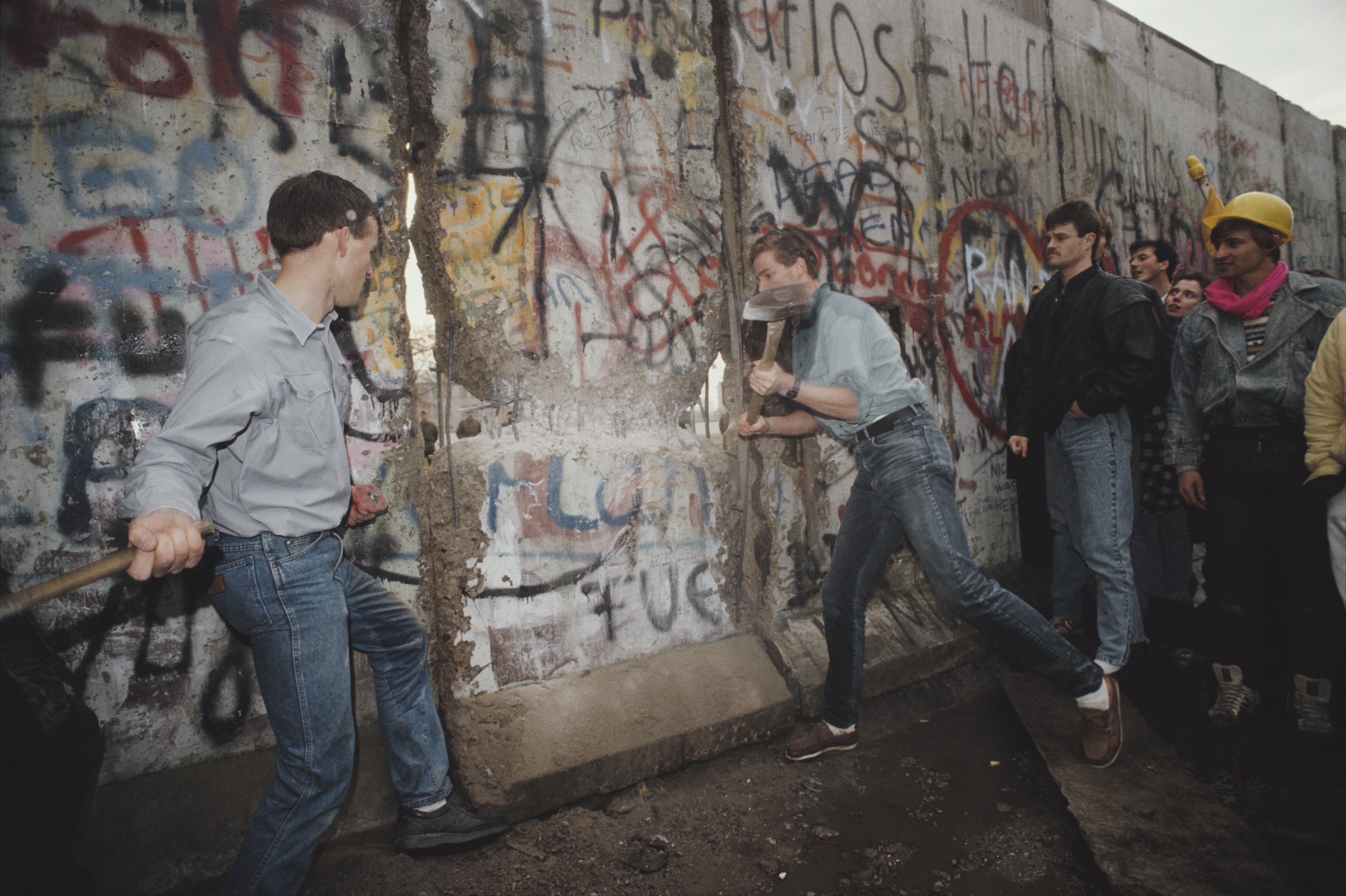
Twentieth-century liberal intellectuals stood firm against the totalizing ideologies of left and right. Their insights remain valuable today.

A theory of how political organizations form, cooperate, rise, and decline.

When you hear that good politics is always simple, think twice.
Don’t fight over mere words. Understand what’s behind them.
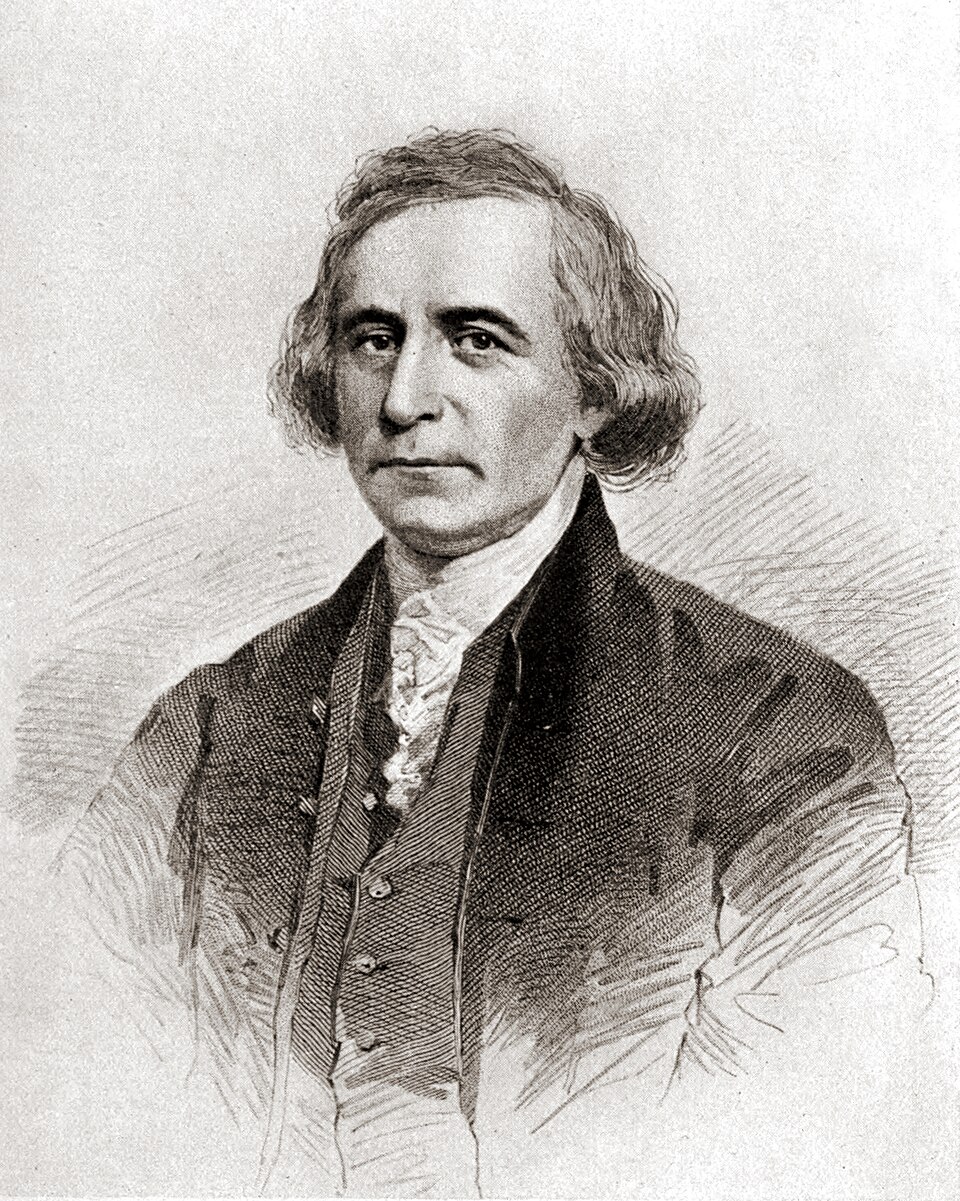
Nations always tell stories about themselves. Philip Freneau’s “The Rising Glory of America“ tells an especially timely one.

Knowing an individual's will is easy. Knowing the will of a collective is like chasing a ghost in a machine.

Slavery’s opponents knew how to keep things simple. Today’s liberals should do likewise.

Liberalism must abandon the assumption that, in international trade, cooperation is the mature stage, and conflict the primitive one.

Defending liberal political norms doesn’t mean always reaching across the aisle. Sometimes, liberal neutrality means playing hardball.
Defending liberal political norms doesn’t mean always reaching across the aisle. Sometimes, liberal neutrality means playing hardball.

When political theory meets horror, do not call up that which you cannot put down.

When are state-based solutions the best we can do? It’s tempting to reach hasty conclusions, but technological change means the truth may be a moving target.
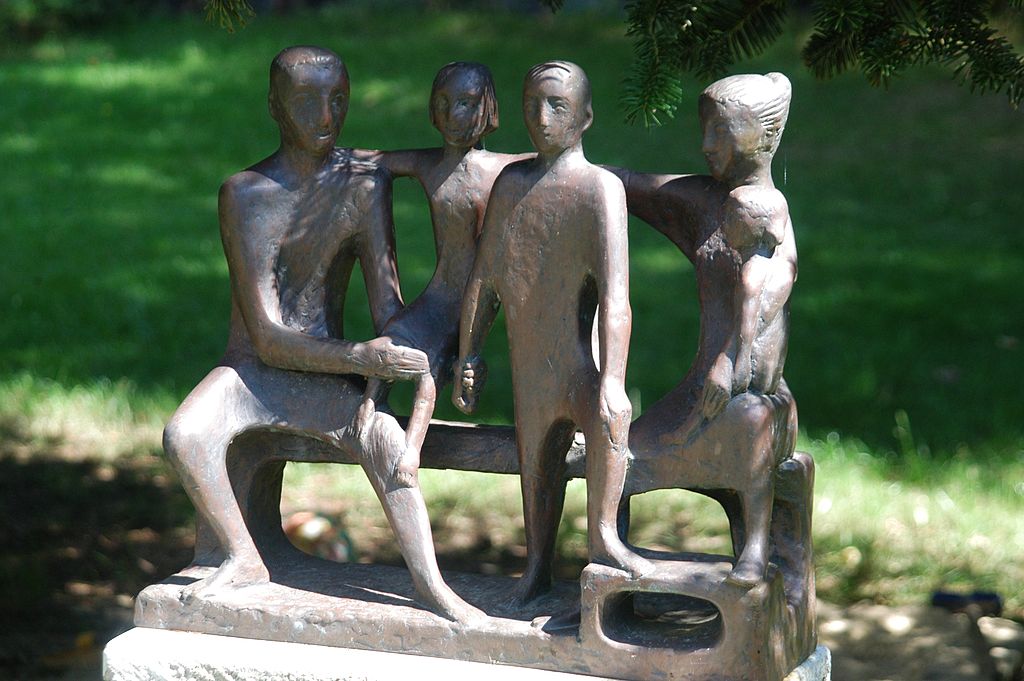
Liberalism does best when there are strong intermediate institutions between the state and the individual. The family is the oldest of them, and it still has no substitutes.
Join the conversation
Essential Essays. Powerful interviews. Forever free.